Global Steel Market 2026: Forecast & Strategic Sourcing Insights
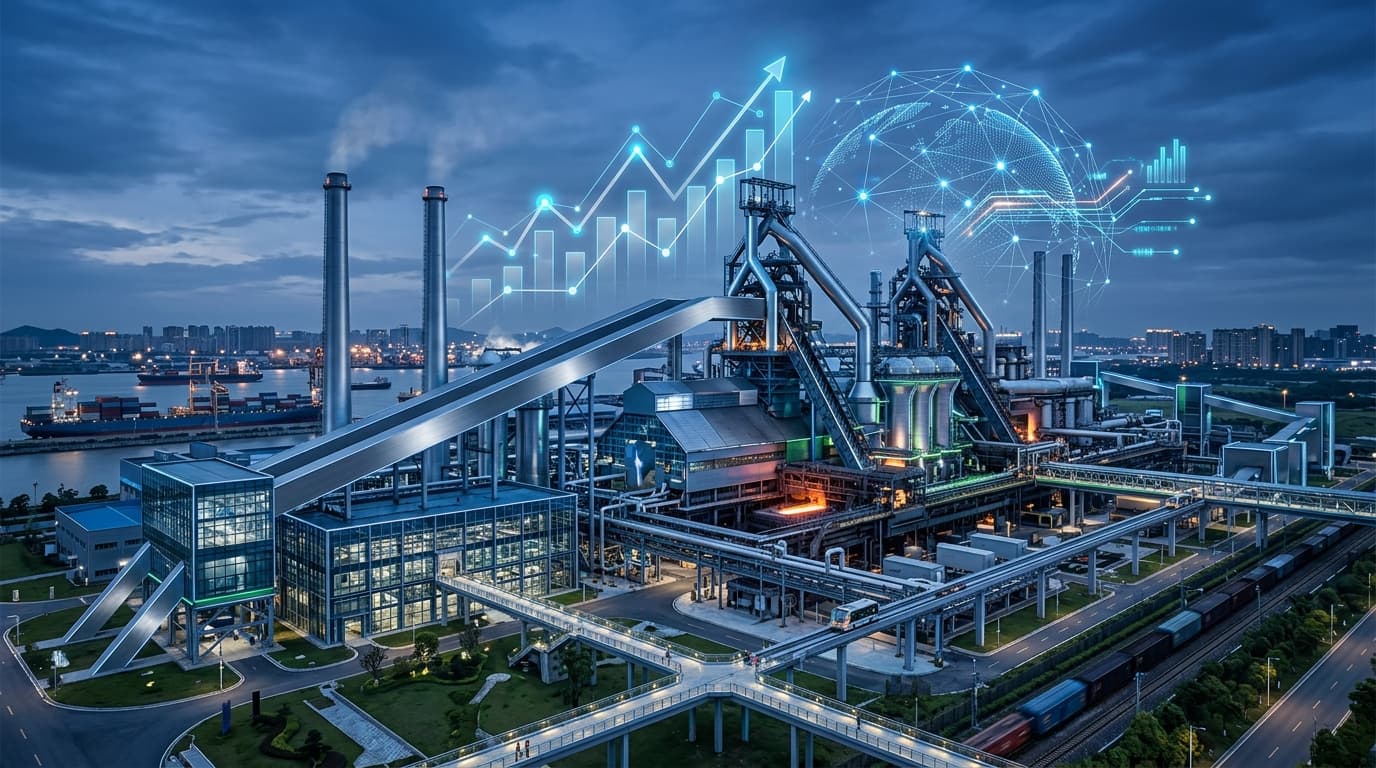
Navigating the Global Steel Market: Insights and Forecast for 2026
As international procurement managers and sourcing professionals, staying ahead of market trends is paramount, especially in critical industrial materials like steel. The global steel industry, a cornerstone of development across countless sectors, is perpetually in flux, influenced by economic shifts, geopolitical dynamics, and technological advancements. Understanding the trajectory of the Global Steel Market 2026 is not just about anticipating prices; it's about strategizing for supply chain resilience, cost efficiency, and sustainable growth.
At AAMOND Global Trade Team, we specialize in connecting global businesses with the finest industrial materials from Korea, a hub of innovation and quality in the steel sector. This post provides a comprehensive outlook on the global steel market for 2026, offering actionable insights to help you make informed sourcing decisions, with a particular focus on the strategic advantages of Korean steel.
The Global Steel Market Landscape in 2026: Key Drivers
The steel market in 2026 will be shaped by a confluence of factors, ranging from robust demand drivers to evolving trade policies and raw material dynamics. Procurement professionals must monitor these elements closely to predict market movements and secure advantageous supply contracts.
Demand Growth Sectors: Automotive, Construction, and Renewable Energy
We anticipate sustained demand from key sectors. The global automotive industry, particularly electric vehicle (EV) manufacturing, will drive demand for high-strength, lightweight steels. Urbanization and infrastructure development projects in emerging economies, notably across Asia and Africa, will fuel demand for long products and structural steels. Furthermore, the accelerating global transition to renewable energy sources, such as wind and solar power, will necessitate significant quantities of specialty steels for turbines, solar panel frames, and transmission infrastructure. According to general industry projections, global steel demand is expected to see a moderate but steady increase, likely in the range of 1.5-2.5% annually through 2026, largely powered by these growth sectors.
Geopolitical Influences & Trade Policies
Geopolitical tensions and protectionist trade policies will continue to exert a significant influence. Tariffs, quotas, and non-tariff barriers can disrupt traditional supply routes and impact pricing. Regional trade agreements and bilateral relationships, such as Korea's strong trade ties with various nations, will become even more critical in securing stable and cost-effective supply. Understanding the implications of policies from major steel-producing nations, like China's export policies or Europe's carbon border adjustments, is vital for procurement risk management.
Raw Material Volatility: Iron Ore, Coking Coal, and Scrap
The volatility of raw material prices, particularly iron ore and coking coal, will remain a key determinant of steel production costs. Environmental regulations in major producing regions could impact supply, leading to price fluctuations. The increasing focus on circular economy principles will also boost the demand for steel scrap, influencing electric arc furnace (EAF) production costs. Diversifying sourcing strategies and exploring long-term raw material contracts can help mitigate these risks.
Regional Forecasts & Growth Hotspots
The steel market is not monolithic; regional dynamics will present distinct opportunities and challenges.
Asia-Pacific's Dominance: China, India, and ASEAN
The Asia-Pacific region, led by China and India, will undeniably remain the largest consumer and producer of steel. While China's growth might stabilize, its sheer volume will continue to dictate global trends. India's burgeoning infrastructure and manufacturing sectors are set to become a major growth engine. The ASEAN bloc, with its rapid industrialization and demographic dividend, offers substantial growth potential, driving demand for both finished and semi-finished steel products. For sourcing professionals, this region represents both immense supply capacity and significant market competition.
Emerging Opportunities in Other Regions: MEA and Latin America
The Middle East and Africa (MEA) region, bolstered by infrastructure investments and diversification efforts, presents emerging opportunities. Similarly, Latin American countries, driven by renewed investment in mining, energy, and construction, could see a resurgence in steel demand. Identifying reliable suppliers and understanding logistical pathways to these regions will be crucial.
North America & Europe: Stability and Niche Markets
North America and Europe will likely maintain stable, mature steel markets, characterized by a focus on high-value, specialized steels. Demand for advanced high-strength steels (AHSS), stainless steel, and specialty alloys for aerospace, medical, and high-tech manufacturing will be prominent. Quality, innovation, and sustainability credentials will be key differentiators in these markets.
Technological Advancements & Sustainability Trends
Innovation and environmental responsibility are not just buzzwords; they are reshaping the steel industry and influencing sourcing decisions.
Green Steel and Decarbonization Efforts
The global push for decarbonization is accelerating the development and adoption of 'green steel' – produced with significantly reduced carbon emissions. Major steelmakers are investing heavily in hydrogen-based direct reduction, carbon capture technologies, and increased scrap utilization. Procurement managers should anticipate a growing demand for verifiable low-carbon steel, potentially at a premium, as companies strive to meet their ESG targets. Sourcing partners offering transparent sustainability reporting will gain a competitive edge.
Smart Manufacturing & Industry 4.0 in Steel Production
Industry 4.0 technologies – including AI, IoT, and big data analytics – are transforming steel production. Smart factories are optimizing energy consumption, improving product quality, and enhancing operational efficiency. This translates into more consistent products and reliable supply chains, which are direct benefits for international buyers. Understanding a supplier's technological capabilities can be a crucial factor in long-term partnerships.
High-Performance Steels for Modern Applications
The demand for high-performance steels continues to rise. These include advanced high-strength steels (AHSS) for lighter, safer vehicles, specialized alloys for extreme environments in aerospace and energy, and corrosion-resistant steels for critical infrastructure. Korean steel manufacturers, known for their R&D prowess, are at the forefront of developing these cutting-edge materials.
Navigating Challenges & Strategic Sourcing from Korea
The complexities of the 2026 steel market necessitate robust sourcing strategies. Partnering with reliable, innovative suppliers is key.
Supply Chain Resilience & Risk Mitigation
Lessons from recent global disruptions highlight the imperative for resilient supply chains. This means diversifying supplier bases, exploring multi-modal logistics, and fostering transparent relationships with partners. Long-term contracts with reputable suppliers can provide stability against market volatility. Furthermore, leveraging digital platforms for real-time tracking and communication enhances responsiveness.
The Advantage of Korean Steel: Quality, Innovation, Reliability
South Korea stands out as a world leader in steel production, consistently ranking among the top global producers. Korean steelmakers like POSCO and Hyundai Steel are renowned for their technological superiority, consistent quality, and commitment to innovation, especially in high-value products like automotive steel, shipbuilding steel, and specialty alloys. Their adherence to international standards, coupled with efficient logistics and a strong export-oriented mindset, makes them ideal partners for global procurement. To understand how AAMOND Global Trade Team connects you with leading Korean suppliers, learn more about our mission and expertise.
Actionable Guidance for Procurement Managers
- Diversify Your Portfolio: Don't rely on a single region or supplier.
- Embrace Technology: Use data analytics to predict trends and optimize inventory.
- Prioritize Sustainability: Integrate ESG criteria into supplier selection.
- Build Strong Relationships: Foster long-term partnerships for stability and preferred access.
- Leverage Experts: Work with sourcing specialists who understand regional nuances and supplier strengths, especially in critical markets like Korea.
Conclusion & Future Outlook
The Global Steel Market 2026 presents a dynamic landscape filled with both challenges and significant opportunities. Proactive market intelligence, strategic risk management, and a focus on sustainable sourcing will be critical for success. By understanding the key drivers, regional shifts, and technological advancements, procurement managers can navigate this complex environment effectively.
For international buyers seeking high-quality, reliable steel products, Korea offers an unparalleled advantage. Its innovative steel industry, commitment to quality, and strategic location make it a prime sourcing destination. Ready to streamline your steel procurement? Submit your RFQ today and let our experts connect you with top-tier Korean manufacturers. For tailored insights or to explore specific product offerings, don't hesitate to contact us directly.
Popular Articles
China Electric Motor Market to Soar: Key Insights for Global Buyers

Japan's Electric Motor Market: Is the $20 Billion Opportunity Open for Korean Suppliers?
Korean Transformers: 540% Export Surge & Global B2B Sourcing Guide
Want to learn more about our overseas sales services?
Get a free consultation from AAMOND Global experts.