Korean Transformers: 540% Export Surge & Global B2B Sourcing Guide
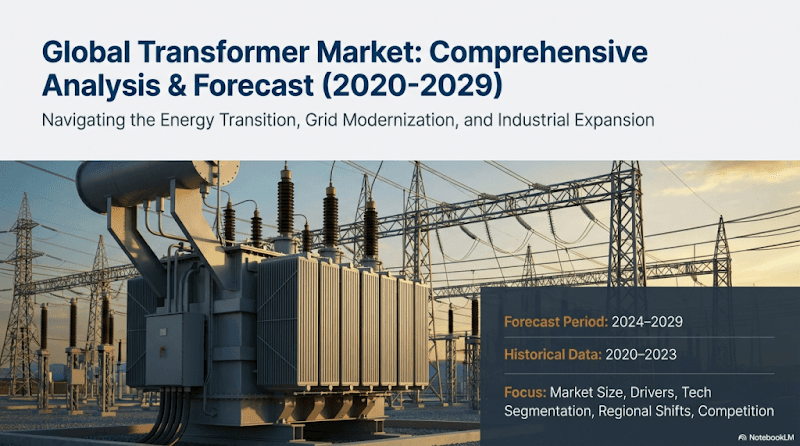
Korean Transformers: Capitalizing on the 540% Export Surge for Global Supply
Did you know that Korean transformer exports to the US surged a staggering 540% by June 2025, with a remarkable 82% destined specifically for the US grid? This isn't just a statistic; it represents a monumental shift in the global transformer market, presenting unparalleled opportunities for B2B buyers worldwide, especially those grappling with the severe supply chain crisis. The global transformer market is undergoing a profound transformation, moving beyond mere commodity hardware to become critical enablers of the green energy transition and grid modernization. For international buyers, understanding this dynamic and leveraging strategic sourcing opportunities, particularly from regions like Korea, is no longer an option but a necessity for business continuity and growth. If you're an overseas buyer seeking reliable, high-quality transformers, browse Korean products available through AAMOND Global and gain a competitive edge in a volatile market.
Global Transformer Market Dynamics: Growth, Challenges & Technological Evolution
The Global Transformer Market's Dynamic Shift & Growth
The global transformer market, valued at an impressive $57.25 Billion in 2023, is projected to reach $82.87 Billion by 2029, growing at a robust CAGR of 6.36% between 2023 and 2029. This growth is driven by a 'Replace-plus-Upgrade' cycle, where aging infrastructure meets the urgent demands of energy transition. Key drivers include the 'Green Shift,' characterized by the rapid integration of renewables requiring sophisticated variable load management, and 'Digitalization,' fostering a move towards Smart Transformers equipped with IoT sensors for predictive maintenance. However, this expansion is heavily constrained by a 'Supply Constraint' – a seller's market where lead times can stretch up to two years, and price surges of 4-9x have become common. This imbalance makes strategic sourcing more critical than ever.
Navigating the Supply Chain & Cost Crisis
The transformer industry is currently navigating a severe supply chain and cost crisis that directly impacts global buyers. Raw material volatility is a significant factor: copper prices have increased over 40% post-pandemic, and electrical steel/GOES prices have doubled. These material cost escalations are compounded by significant manufacturing bottlenecks stemming from labor shortages and capacity limits, particularly for specialized components. The result? Extended lead times now stretch up to two years, representing a 4x increase from previous norms, and drastic price surges ranging from 400% to 900%. This environment makes securing reliable and cost-effective supply extremely challenging for buyers. Barriers like high initial CapEx and complex regulatory frameworks (e.g., EU EcoDesign, DOE standards) further complicate the landscape. To mitigate these risks, buyers must look for agile and robust supply chains, such as those offered by established Korean manufacturers. Understanding shipping terms and responsibilities is also vital; use our Incoterms Calculator to clarify trade terms and costs.
Product Segmentation & Technological Evolution
The transformer market is broadly segmented into Power and Distribution transformers, each serving distinct needs. Distribution Transformers, forecast to reach $53.5 Billion by 2030, are high-volume units essential for last-mile electrification and rural grid expansion, exemplified by initiatives like India's Saubhagya Scheme. In contrast, Power Transformers, projected to hit $49.27 Billion by 2030 (aggressive forecast), represent high-value, critical infrastructure driven by High Voltage (HV) and Ultra-High Voltage (UHV) transmission projects and renewable interconnections. A growing niche segment, Specialty & Instrument Transformers, is expected to reach $4.62 Billion by 2033, catering to industrial and rail applications. Technologically, there's a significant shift. While Oil-Immersed transformers remain dominant (>65% share), preferred for utility-scale/outdoor applications with high efficiency (>100MVA), Dry-Type transformers are experiencing robust growth (CAGR ~6%). Dry-type units are favored for indoor/urban settings like data centers and hospitals due to their fire-safe and low-maintenance characteristics. The industry is also seeing a pronounced voltage trend & capacity growth, with a focus on large (>100 MVA) segments growing at approximately 10%, driven by UHV transmission projects for moving renewable energy across continents. This underscores the demand for advanced, higher-capacity solutions, many of which are produced by leading Korean manufacturers.
Why Korea: The Strategic Advantage for B2B Transformer Sourcing
Regional Market Insights: Focus on Asia Pacific and North America
The global transformer market exhibits distinct regional dynamics. Asia Pacific stands as 'The Global Engine of Volume and Scale,' accounting for over 35% of the global market share in 2023. The region is forecast to reach $36.9 Billion by 2032, with a robust CAGR of approximately 8%. This growth is powered by rapid urbanization, extensive rural electrification schemes, and massive UHV transmission investments, particularly for West-to-East energy transfer. Asia Pacific's strength lies in its strong domestic manufacturing capabilities, often outweighing export capacities. Meanwhile, North America faces a 'Forced Modernization' Crisis. A significant 55% of US transformers exceed their 33-year lifespan, creating an urgent need for replacement and upgrade. This need is further exacerbated by a demand surge from new AI Data Centers and rapidly expanding EV Infrastructure. This confluence of aging fleets and new demand has led to a critical supply shortage, giving rise to what is known as 'The Korean Surge.' Faced with these domestic shortages, the US has increasingly turned to international suppliers. Data shows that Korean exports to the US surged 540% by June 2025, with an overwhelming 82% of these exports destined for the US grid. This highlights Korea's pivotal role in addressing North America's urgent transformer needs and presents a clear opportunity for B2B buyers looking for reliable supply.
Why Source Transformers from Korea: Capitalizing on the Surge
The 'Korean Surge' is not merely a statistical anomaly but a strategic market response to global supply imbalances. For B2B buyers, this translates into a significant opportunity to secure crucial transformer units from reliable manufacturers. Companies like HD Hyundai Electric, LS, and Hyosung are actively capitalizing on the US shortages, demonstrating their robust manufacturing capabilities and capacity. These Korean players are known for their advanced technology, adherence to international standards, and capacity to deliver. For example, a US utility company, struggling with lead times of up to two years and price surges nearing 900% for high-voltage power transformers from traditional suppliers, partnered with AAMOND Global. Through our platform, they connected with HD Hyundai Electric, securing a substantial order of specialized transformers essential for their grid modernization project and expansion to support a new AI data center, cutting their projected wait time by half and achieving a more favorable pricing structure. This direct access to major players, combined with Korea's focus on quality and innovation, makes it an attractive sourcing destination. Many Korean manufacturers are also investing in capacity expansion, with global players like Hitachi Energy announcing $1.5B expansion and GE Vernova investing $600M in US localization, showing a broader trend towards strengthening the supply chain. This makes it an opportune time to consider sourcing transformers from this dynamic region. To explore options and understand import regulations, use our Export Regulation Checker. For comprehensive customs duties and compliance, our HS Code Finder can be invaluable. Leverage our Landed Cost Calculator to understand the full cost implications, and given extended lead times, our Shipping Time Calculator can help estimate delivery.
Strategic Sourcing: Resilience, Intelligence, and Total Cost of Ownership (TCO)
Strategic Considerations for Buyers: Resilience, Intelligence, and TCO
For buyers in today's volatile transformer market, the focus must extend beyond just price. Strategic purchasing revolves around resilience, intelligence, and Total Cost of Ownership (TCO). Buyers should prioritize securing long-term supply agreements to mitigate future price volatility and extended lead times. High-efficiency units, though potentially higher in upfront cost, significantly reduce Operational Expenditure (OPEX) over their 30+ year lifespan. This TCO approach ensures long-term profitability and grid stability. Furthermore, with the rise of Solid State Transformers (SSTs) as the 'Next Disruptor,' manufacturers are investing heavily in green materials, AI predictive maintenance, and localized manufacturing. This trend makes transformers no longer passive hardware but active, intelligent nodes of the future energy internet. Buyers sourcing from Korea can often access these cutting-edge technologies and benefit from manufacturers committed to innovation and sustainability. When evaluating suppliers, assess their commitment to these areas. Consider using our MOQ Profitability Calculator to optimize your order quantities.
Conclusion: Powering Your Future with Korean Transformers
The global transformer market is at a critical juncture, characterized by unprecedented growth, technological evolution, and severe supply chain pressures. For B2B buyers, understanding these dynamics and strategically navigating the landscape is paramount. The 'Korean Surge' represents a clear opportunity to address supply shortfalls and access advanced, high-quality transformers. By focusing on TCO, embracing new technologies like Smart Transformers, and forging resilient supply partnerships, buyers can safeguard their operations and drive future growth. As transformers transition from commodity hardware to intelligent nodes of the future energy internet, securing reliable sourcing partners is essential. AAMOND Global is your trusted partner for navigating these complexities, connecting you with reputable Korean manufacturers who can meet your specific needs. Don't let global shortages hinder your progress. Take the next step to secure your supply chain and embrace the future of energy infrastructure. 전문가 무료 상담 신청 through AAMOND Global today and unlock reliable, high-quality sourcing from Korea.
Key Takeaways:
- The global transformer market is growing at 6.36% CAGR, driven by energy transition and grid modernization.
- Severe supply chain issues, including raw material price surges (Copper +40%, Steel doubled) and extended lead times (up to 2 years), necessitate strategic sourcing.
- The 'Korean Surge' signifies a massive opportunity, with Korean exports filling critical supply gaps, particularly for the US grid (540% surge).
- Buyers should prioritize TCO, high-efficiency units, and long-term supply agreements when sourcing.
- Technological advancements like Dry-Type and Smart Transformers are key drivers for future-proofing energy infrastructure.
Next Steps for Buyers:
Evaluate your current transformer needs and future project demands. Research potential Korean suppliers through AAMOND Global's network. Prepare a detailed Request for Quotation (RFQ) outlining your specifications, volume requirements, and desired delivery timelines. Engage with AAMOND Global for expert guidance and facilitated sourcing to ensure a smooth and efficient procurement process. For further insights, explore more trade insights on our blog.
Q. Why is there a 'Korean Surge' in the global transformer market?
A. The 'Korean Surge' is primarily driven by North America's 'Forced Modernization' crisis, where 55% of US transformers exceed their 33-year lifespan, coupled with surging demand from AI Data Centers and EV Infrastructure. This created a significant supply shortage, which Korean manufacturers like HD Hyundai Electric, LS, and Hyosung are addressing, leading to a 540% surge in exports to the US by June 2025.
Q. What are the current challenges in sourcing transformers globally?
A. Key challenges include raw material volatility, with copper prices up over 40% and electrical steel doubling, leading to significant price surges (400-900%). Additionally, manufacturing bottlenecks due to labor shortages and capacity limits have resulted in extended lead times of up to two years, making timely procurement difficult for buyers.
Q. What types of transformers are in high demand and where are the growth areas?
A. Both Power and Distribution transformers are in high demand. Power transformers, critical for HV/UHV transmission and renewable interconnections, are forecast to reach $49.27B by 2030. Dry-Type transformers are also showing strong growth (~6% CAGR) due to their suitability for indoor/urban applications and safety features, while the large (>100 MVA) segment is growing at ~10%.
Q. How can buyers mitigate risks when sourcing transformers in this volatile market?
A. Buyers can mitigate risks by focusing on Total Cost of Ownership (TCO) rather than just upfront price, investing in high-efficiency units for long-term OPEX savings, and securing long-term supply agreements with reliable manufacturers. Leveraging sourcing platforms like AAMOND Global to connect with established suppliers in regions like Korea can also ensure supply chain resilience and access to advanced solutions.
Related Articles
China Electric Motor Market to Soar: Key Insights for Global Buyers
Explore the booming China electric motor market, projected to hit $78.59 billion by 2030. Get expert insights for strategic sourcing. <a href='/en/rfq'>Submit Your RFQ Today!</a>
Japan's Electric Motor Market: Is the $20 Billion Opportunity Open for Korean Suppliers?
Unlock the booming Japanese electric motor market! This guide analyzes key trends & manufacturers, offering Korean suppliers strategies for success. Explore sourcing opportunities now!
Popular Articles
Want to learn more about our overseas sales services?
Get a free consultation from AAMOND Global experts.